





Blog

Chevy Safety Assist

Chevy Safety Assist

Chevy's drive assistance technologies are leading the path forward toward safer vehicles and roads, using sensors and cameras to detect vehicle surroundings and help keep drivers more alert. The advanced safety features on Chevy vehicles can prevent collisions, assist with steering, and even manage your high beams. And your local Chevy dealer has knowledgeable sales representatives who can explain these features, and even demonstrate some of them.

Chevy Safety Assist

This package consists of six advanced safety features, starting with a Following Distance Indicator that shows you the following gap time in seconds between your Chevy and the vehicle ahead. Using this information, you may decide you need to increase your following distance for safety. If you're following much too closely, Forward Collision Alert will issue a warning. It also warns you if the system predicts a potential front-end collision, so you can apply the brakes.

If you don't respond, Automatic Emergency Braking or Front Pedestrian Braking can engage the brakes automatically to reduce the risk or impact of a collision. Another Chevy Safety Assist feature, Lane Keep Assist, monitors visible lane markings and briefly turns the steering wheel to alert you if you're drifting out of your lane. And IntelliBeam can switch from high beams to low beams automatically if another vehicle is detected ahead, then switch back when the road is clear.

More Chevy Drive Assistance Features

Chevy vehicles offer a wide range of additional advanced safety and driver assist features, like Rear Cross Traffic Alert with Braking. With this system, sensors in the rear bumper can detect and alert you to vehicles that are approaching from the left or right behind your vehicle. This feature also includes automatic braking to help prevent or reduce the impact of a collision.

Adaptive Cruise Control is a feature that's popular with frequent highway drivers. It allows you to set a speed and a following distance, then automatically adjusts your speed when there's another vehicle ahead of you, maintaining your pre-set following distance.

Experience Advanced Safety Technology at Your Chevy Dealer

For a full breakdown of the advanced safety features that are available on the Chevy vehicle of your choice, visit your local Chevrolet showroom. Your sales representative can explain each feature in depth and help you select the vehicle that best meets your needs.

If you're ready to learn more about the advanced safety features on new Chevy vehicles, call or visit our showroom at Champion Chevrolet in Reno, NV. Our knowledgeable sales consultants are trained on the latest technologies and can show you how and when to use each feature. 
Recommended Posts

2026 Chevrolet Blazer EV

2026 Chevrolet Blazer EV: What You Need to Know

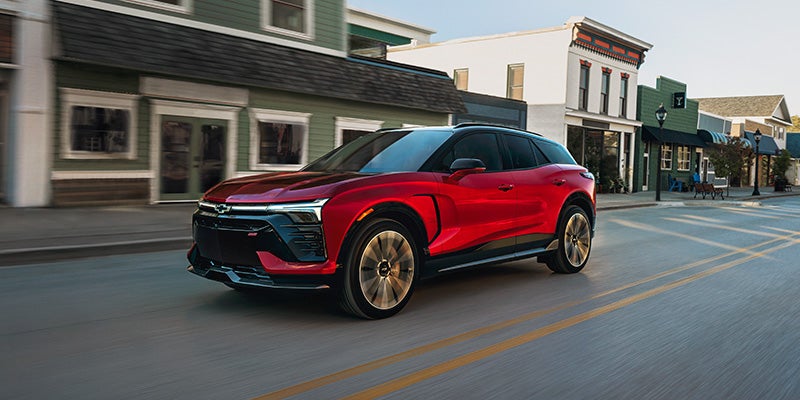
2026 Chevrolet Blazer EV: Electrified Adventure SUV The lively drivers of Reno, Nevada deserve an iconic SUV that exudes capability—and doesn’t require trips to the pump. T he 2026 Chev y Blazer EV is a fully electric SUV that blends everyday practicality with the rugged capability the Blazer is known for, resulting in some seriously impressive performance. And with a range of up to 312 miles, this all-electric SUV is designed to keep up with your lifestyle. Range and Charging One of the first questions most shoppers have about any electric vehicle is how far it can go. The 2026 Chevrolet Blazer EV delivers up to 312 miles of EPA-estimated electric range with front-wheel drive on a full charge — plenty of coverage for driving around Reno with only a couple of charge-ups during the week, or for long-distance drives without range anxiety. Charging is straightforward, too. The Blazer EV comes standard with a Dual Level Charge Cord that supports both Level 1 (120 V) and Level 2 (240 V) charging at home. On the road, you'll have access to more than 250,000 public chargers across North America. The myChevrolet mobile app also helps you plan routes and locate available chargers nearby. Trim Levels and Performance The new Chevrolet Blazer EV is offered in 3 trim levels, e ach one build ing on the last, adding more features and style. The entry-level LT trim packs a strong standard feature set, including a 17.7” center touchscreen with Google built-in. The more aggressive RS trim shows off a sport y look with 21” wheels, an illuminated front light bar, a choice of 2 unique interiors, and ambient interior lighting. The SS trim is where things get seriously exciting. With 61 5 h p and 650 lbs.-ft. of torque in Wide Open Watts mode, this machine accelerates from 0 to 60 in just 3.4 seconds. Striking 22” gloss black wheels, touches like walk-up lighting, and performance seating with race car-inspired details make this trim feel exclusive and special. Technology and Infotainment This cabin is driver-focused in every sense. Intuitive technology starts with the 17.7” center touchscreen that pairs with Google built-in, giving you access to Google Maps, Google Assistant, and Google Play apps right from the dashboard, all using voice commands—and with no need for your phone. A Bose® premium 8-speaker sound system is available to bring your playlists to life, while OnStar ® Basics — included as standard for 8 years — covers remote commands, automatic crash response, and real-time navigation. Available Super Cruise ® hands-free driver assistance technology — standard on the SS trim —makes highway drives less droning and exhausting. Safety Features Far beyond the standard Chevy Safety Assist package of 6 driver-assistance features, the 2026 Chevrolet Blazer EV expands standard systems to more than 1 5 to keep you secure and confident. Chevy Safety Assist includes Autom atic Emergency Braking, Front Pedestrian Braking, Lane Keep Assist with Lane Departure Warning, Forward Collision Alert, IntelliBeam ® Auto High Beams, and Following Distance Indicator. You’ll also have high-end features such as Blind Zone Steering Assist and Intersection Automatic Emergency Braking that can steer you from quicky approaching vehicles when changing lanes and take the stress out of left-hand turns at intersections. Cargo Space and Interior Practicality is part of the Blazer EV's appeal. With the rear seats folded flat, you get up to 59.1 cu. ft. of cargo space — plenty of room for weekend gear, sports equipment, or a full-size cooler. Even when traveling with a full house of 5 passengers, you’ll have 25.5 cu. ft. of storage for groceries, backpacks, a small dog kennel, and/or a stroller. And with a very generous 38.9” rear legroom, everyone rides comfortably, with all their stuff. Is the 2026 Chevrolet Blazer EV Right for You? If you're ready to make the move to electric and still have outstanding style, functional space, and top-notch technology, the new Chevrolet Blazer EV awaits. It brings strong range for everyday drives around Reno, NV, as well as longer trips, flexible charging options and trims, and a loaded tech suite. I t's designed for the way people actually live and drive. Stop by Champion Chevrolet and feel electrified behind the wheel of the 2026 Chevrolet Blazer EV.

Chevrolet Oil Change:

Chevrolet Oil Changes: Preserving the Engineering Within

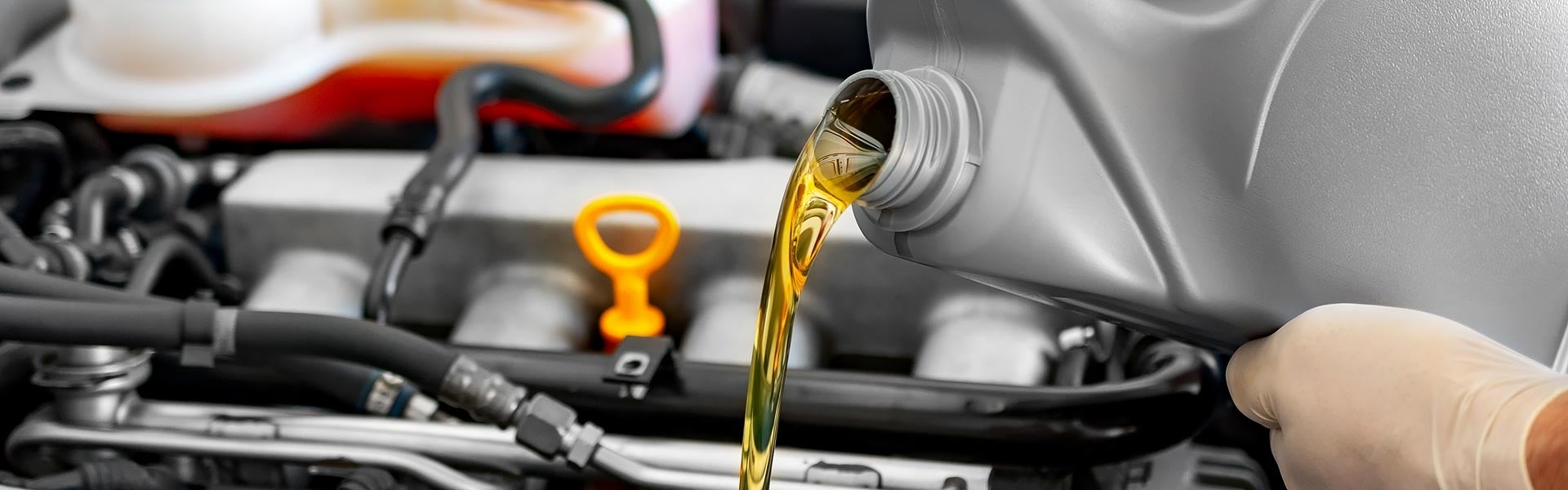
Good engineering depends on many components working together with precision. Inside a Chevrolet engine, some of those components move thousands of times every minute, separated by extraordinarily small tolerances. Engine oil allows that complex arrangement to operate smoothly. A routine Chevrolet oil change may be one of the less visible aspects of ownership, but its value is considerable. From a Silverado working around Reno, NV, to an Equinox handling the daily commute, fresh oil helps preserve the performance and longevity engineered into the vehicle. Oil Is an Integral Part of the Engine's Design Engine oil isn't simply a fluid poured into an otherwise complete machine. It's part of the way the engine functions. It creates a lubricating film between moving metal surfaces, reducing friction and wear. Oil also helps manage heat and carries contaminants toward the filter, allowing components to operate in the conditions intended by Chevrolet's engineers. Heat, contamination, and repeated operation gradually degrade the oil and its additives. As that happens, its ability to perform these tasks diminishes. Replacing the oil and filter at the appropriate interval restores an essential layer of protection. Drivers can explore our Chevrolet service options to keep oil changes and other scheduled maintenance together in one routine. Your Chevrolet Helps Determine the Right Interval A fixed mileage figure isn't the best way to approach every Chevrolet oil change. Service requirements depend on the model, engine, specified oil, and operating conditions. Many newer Chevrolet vehicles use full synthetic oil, while your owner's manual provides maintenance information specific to the vehicle you drive. Most modern Chevrolet models also feature an Oil Life Monitoring System. Rather than relying solely on mileage, the system considers vehicle operating conditions and calculates remaining oil life, providing an alert when service is required. It's a thoughtful solution to a simple problem: the way a Silverado is used for towing isn't necessarily the way a Trax is driven through Reno every day. Neglected Oil Eventually Becomes a Mechanical Problem Oil doesn't suddenly become useless when it reaches the end of a service interval. Its protective qualities deteriorate progressively. Continue far enough beyond the appropriate interval and degraded oil can contribute to increased friction, deposits, sludge, and accelerated component wear. Low oil levels create another concern because the engine cannot properly circulate lubricant that isn't present. The consequences can progress well beyond reduced performance. Internal engine damage caused by inadequate lubrication can be extensive, which makes routine maintenance an unusually modest investment compared with the machinery it's protecting. The Engine Can Give You Clues The maintenance schedule should guide oil changes, but your Chevrolet may occasionally provide signs that something needs attention sooner. An oil-change notification is the obvious one. Visible leaks, a burning-oil smell, unexpectedly low oil on the dipstick, or unusual engine noise also deserve investigation. An oil-pressure warning requires particular attention. It shouldn't be interpreted simply as a reminder that an oil change is due, as insufficient oil pressure can indicate a condition requiring prompt inspection. Reno's heat, dust, and demanding driving environments can also place additional demands on a vehicle. If you're uncertain how your driving conditions affect maintenance, our Chevrolet Certified Service team can help establish the appropriate schedule. The Correct Oil Is as Important as Fresh Oil Not every engine requires the same lubricant. Oil viscosity and specification are selected to suit the engine's design and operating requirements. Chevrolet Certified Service technicians can identify the correct oil and filter for your model rather than treating every vehicle identically. That becomes increasingly important across a Chevrolet lineup that includes everything from compact crossovers to hardworking pickups. Owners can also browse our Chevrolet parts department or current service specials when planning upcoming maintenance. Keeping accurate service records provides another useful benefit. A documented maintenance history can support warranty requirements where applicable and provide valuable information when the vehicle is eventually sold or traded. Maintenance Should Preserve What the Vehicle Does Well The purpose of regular service isn't merely to keep a Chevrolet moving. It's to preserve the qualities that made the vehicle worth owning in the first place. If your Silverado, Equinox, Trax, or other Chevrolet is approaching its next oil change, explore our service options at Champion Chevrolet Reno. Check our current service specials, then schedule your Chevrolet oil change online and let our Certified Service team provide the routine care that helps protect the engineering within.

Chevrolet tires

Chevrolet Tire FAQ: What Every Driver Should Know

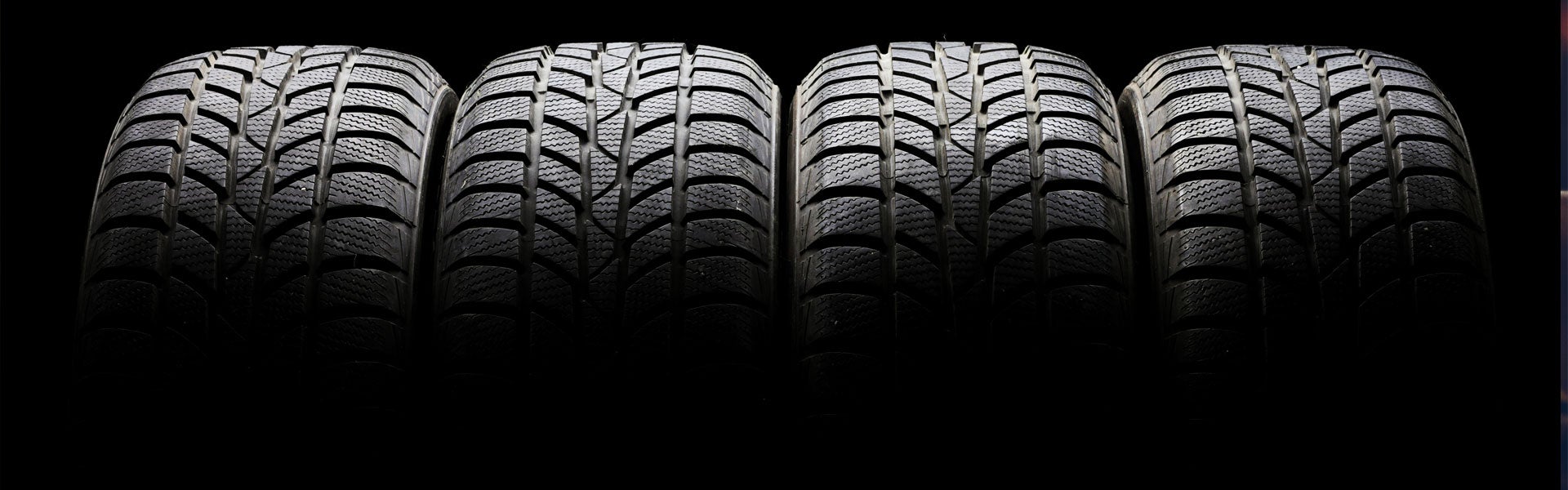
If you drive a Chevrolet, understanding your tires is incredibly important. This Chevrolet tire FAQ covers the essentials - from checking tire pressure to knowing when it's time for a replacement. Keeping your tires in good shape is important for your safety and your vehicle's performance. What Is the Correct Tire Pressure for My Chevrolet? Tire pressure varies by model, but the right number for your Chevrolet is found on the sticker inside the driver's door jamb or in your owner's manual - not on the sidewall of the tire itself. That sidewall number is the maximum pressure, not the recommended level. Most Chevy passenger vehicles and trucks run somewhere between 32 and 36 PSI but always confirm the specification for your specific model and trim. Checking pressure monthly and before long trips is a smart habit for any driver. How Do I Know When My Tires Need to Be Replaced? The easiest way to check is the penny test. Insert a penny into the tread groove with Lincoln's head pointing down. If you can see the top of his head, your tread is worn too low. It's time to shop for new tires. Most tires also have built-in wear indicators - small raised bars in the tread grooves that become flush with the surface when the tread is worn down. Uneven wear patterns can also signal alignment or inflation issues worth addressing before they become bigger problems. How Often Should I Rotate My Tires? Chevy tire maintenance guidelines generally recommend rotating your tires every 5,000 to 7,500 miles. Rotation helps distribute wear evenly across all four tires, extending their life and handle consistently. If you change your oil regularly, many service centers will rotate your tires on the same visit, making it easy to stay on schedule. What Should I Do If My Tire Pressure Monitoring System Light Comes On? The Tire Pressure Monitoring System, commonly known as TPMS, alerts you when one or more tires drops significantly below the recommended pressure. If the light comes on, don't ignore it. Check your tire pressure as soon as possible and inflate any low tires to the correct level. In colder months, tire pressure naturally drops as temperatures fall, so you may see the light come on when the weather shifts. If you inflate the tires and the light stays on, have the TPMS sensor inspected. Can I Mix Different Tire Brands or Types? It's generally best to keep all four tires the same brand and model for consistent handling and braking performance. Mixing tire types - such as all-season and summer performance tires - can create imbalances in how your Chevrolet responds, especially in wet or slippery conditions. If you're replacing only one or two tires, try to match the remaining tires as closely as possible. Your service advisor can help you find a compatible option. Visit Champion Chevrolet Reno for All Your Tire Needs If you have more questions about tire maintenance or you're ready to schedule a tire inspection, you have a trusted resource at Champion Chevrolet Reno close by. From pressure checks to rotations and full replacements, keeping your Chevrolet rolling safely starts with staying informed and acting on what you know. Visit championchevroletreno.com to schedule your next service appointment and keep your tires performing at their best.