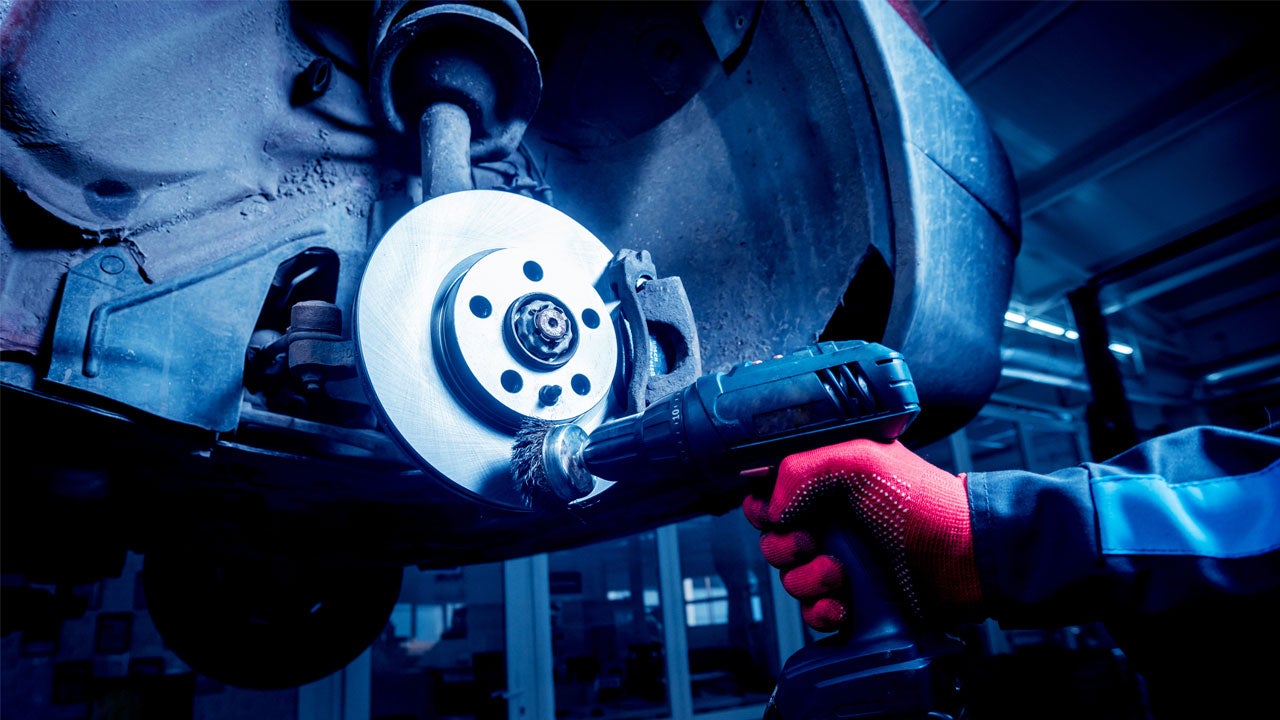





Your brakes are the most critical safety system on your vehicle. Regular brake service helps ensure that every component—from pads to rotors to fluid—is working the way it should. When you rely on your vehicle to get your kids to school and you to work, for towing, road trips, and errands, you need the security of knowing it’s safe. Skipping routine maintenance can turn what was a minor issue into a costly repair—or, worse, compromise your ability to stop safely. For drivers in Reno, Nevada, where road conditions can shift quickly with seasonal weather, keeping your brakes in top shape is especially important. How Often Should I Have My Brakes Inspected? Most automotive professionals recommend a brake inspection at least once a year or every 12,000 miles, whichever comes first. That said, your driving habits matter. Frequent stop-and-go driving or mountain roads can wear brakes faster than highway cruising. If you go off-roading or tow often, that all factors in too. A Chevrolet brake service inspection typically checks pad thickness, rotor condition, brake fluid levels, and caliper function. Catching wear early means smaller repairs and a safer vehicle overall. What Are the Warning Signs That My Brakes Need Attention? There are several common signals that your brakes may need brake service soon. If you hear squealing or grinding noises when you apply the brakes, that means your brake pads have likely worn down. A soft or spongy brake pedal, vibration during braking, or a vehicle that pulls to one side when stopping all point at brake issues. If you notice any of these symptoms, it is best not to wait. Addressing brake issues promptly can prevent damage to rotors and other more expensive components. What Happens During a Brake Service Appointment? A typical Chevrolet brake service appointment involves a thorough inspection of the entire braking system. A trained technician will measure brake pad depth, inspect rotors for wear or warping, check caliper operation, and test brake fluid for moisture contamination. Depending on what’s found, service may include pad replacement, rotor resurfacing or replacement, or a brake fluid flush. Using a Certified service center ensures that your Chevrolet is serviced by technicians who know your specific vehicle model. Can Neglecting Brake Maintenance Affect Other Parts of My Vehicle? Absolutely. Worn brake pads can damage rotors over time, which significantly increases repair costs. Contaminated brake fluid can corrode internal components and reduce braking effectiveness. Ignoring early warning signs often leads to a much larger service bill down the road. Regular Chevrolet brake service protects not just your brakes, but your tires, suspension components, and overall vehicle safety. Visit Champion Chevrolet for Your Next Brake Service Keeping up with brake service is one of the smartest things you can do as a vehicle owner. Whether you drive a jobsite-workhorse Silverado, family-shuttle Equinox, or fuel-efficient Trax around Reno, staying on top of routine brake maintenance protects you, your passengers, and everyone else on the road. Stop by Champion Chevrolet to schedule your next brake inspection and keep your Chevy running safely mile after mile.