


If you drive a Chevrolet, understanding your tires is incredibly important.
This Chevrolet tire FAQ covers the essentials – from checking tire pressure to knowing when it’s time for a replacement. Keeping your tires in good shape is important for your safety and your vehicle’s performance.
What Is the Correct Tire Pressure for My Chevrolet?
Tire pressure varies by model, but the right number for your Chevrolet is found on the sticker inside the driver’s door jamb or in your owner’s manual – not on the sidewall of the tire itself. That sidewall number is the maximum pressure, not the recommended level. Most Chevy passenger vehicles and trucks run somewhere between 32 and 36 PSI but always confirm the specification for your specific model and trim. Checking pressure monthly and before long trips is a smart habit for any driver.
How Do I Know When My Tires Need to Be Replaced?
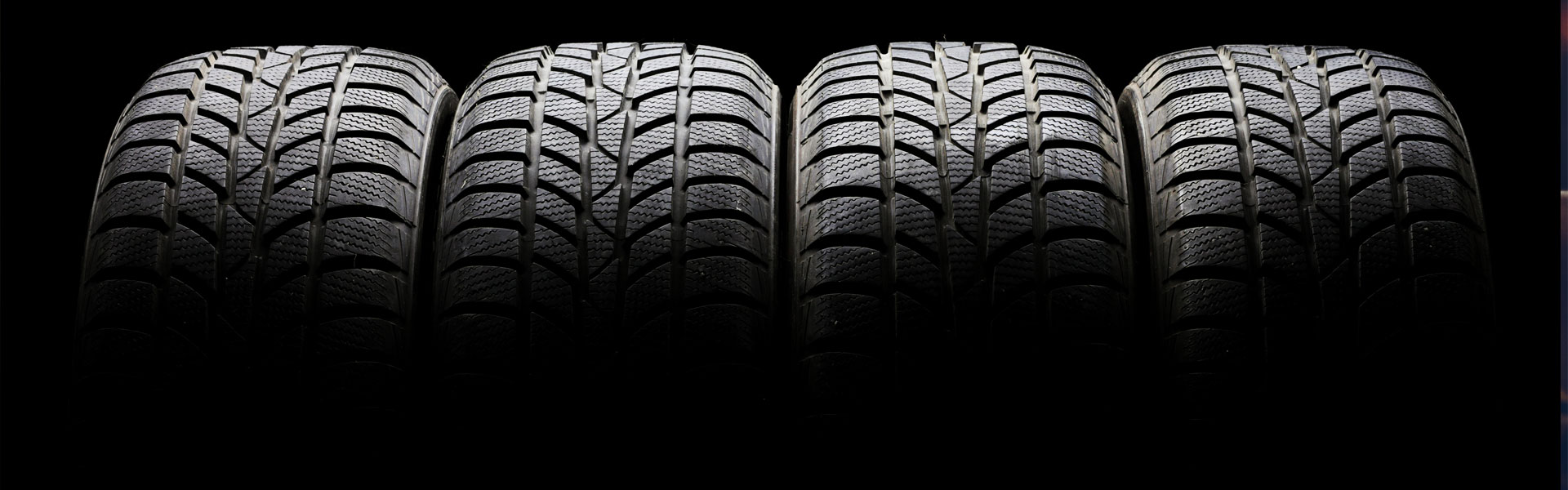
The easiest way to check is the penny test. Insert a penny into the tread groove with Lincoln’s head pointing down. If you can see the top of his head, your tread is worn too low. It’s time to shop for new tires. Most tires also have built-in wear indicators – small raised bars in the tread grooves that become flush with the surface when the tread is worn down. Uneven wear patterns can also signal alignment or inflation issues worth addressing before they become bigger problems.
How Often Should I Rotate My Tires?
Chevy tire maintenance guidelines generally recommend rotating your tires every 5,000 to 7,500 miles. Rotation helps distribute wear evenly across all four tires, extending their life and handle consistently. If you change your oil regularly, many service centers will rotate your tires on the same visit, making it easy to stay on schedule.
What Should I Do If My Tire Pressure Monitoring System Light Comes On?
The Tire Pressure Monitoring System, commonly known as TPMS, alerts you when one or more tires drops significantly below the recommended pressure. If the light comes on, don’t ignore it. Check your tire pressure as soon as possible and inflate any low tires to the correct level. In colder months, tire pressure naturally drops as temperatures fall, so you may see the light come on when the weather shifts. If you inflate the tires and the light stays on, have the TPMS sensor inspected.
Can I Mix Different Tire Brands or Types?
It’s generally best to keep all four tires the same brand and model for consistent handling and braking performance. Mixing tire types – such as all-season and summer performance tires – can create imbalances in how your Chevrolet responds, especially in wet or slippery conditions. If you’re replacing only one or two tires, try to match the remaining tires as closely as possible. Your service advisor can help you find a compatible option.
Visit Champion Chevrolet Reno for All Your Tire Needs
If you have more questions about tire maintenance or you’re ready to schedule a tire inspection, you have a trusted resource at Champion Chevrolet Reno close by. From pressure checks to rotations and full replacements, keeping your Chevrolet rolling safely starts with staying informed and acting on what you know. Visit championchevroletreno.com to schedule your next service appointment and keep your tires performing at their best.
Connect with us


- July 2026
- June 2026
- May 2026
- April 2026
- March 2026
- February 2026
- January 2026
- December 2025
- November 2025
- October 2025
- September 2025
- August 2025
- July 2025
- May 2025
- April 2025
- March 2025
- February 2025
- January 2025
- December 2024
- November 2024
- October 2024
- September 2024
- August 2024
- July 2024
- June 2024
- May 2024
- April 2024
- March 2024
- February 2024
- January 2024
- December 2023
- April 2023
- January 2023
- December 2022
Archives
- 2026 Chevrolet Blazer in Reno, NV
- 2026 Chevrolet Colorado
- 2026 Chevrolet Equinox EV
- 2026 Chevrolet Traverse in Reno, NV
- 2027 Chevrolet Bolt
- 2027 Chevrolet Bolt in Reno, NV
- Blazer EV
- Champion Chevrolet Service
- Chevrolet Blazer
- Chevrolet Silverado 1500
- Chevrolet Silverado 2500 HD
- Chevrolet Suburban
- Chevrolet Tahoe
- Chevrolet Tire FAQ
- Chevrolet Trailblazer
- Chevrolet Traverse
- Chevrolet Trax
- Chevy Camaro
- Chevy Financing
- Chevy Leasing
- Chevy Malibu
- Chevy Silverado 3500 HD
- Chevy Test Drive
- Corvette Stingray
- Corvette Z06
- Equinox
- Local Chevy
- New tires
- Reno, NV Chevrolet Dealer
- Reno, NV Chevrolet Service
- Reno, NV Used Cars
- Tire Pressure
- Tire Pressure Monitoring System
- Trax
- Trucks
- Uncategorized